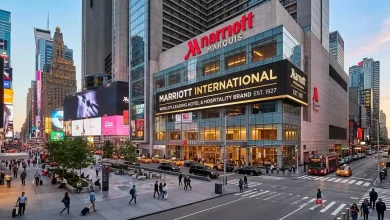
Marriott: 7 Incredible Reasons It’s a Global Hospitality Powerhouse
Table of Contents
Marriott International stands as an undeniable titan in the global hospitality industry, a name synonymous with quality, innovation, and an unparalleled array of lodging experiences. From its humble origins as a root beer stand in Washington D.C. to its current status as the world’s largest hotel company by rooms, Marriott has consistently evolved, adapted, and set benchmarks for service excellence and guest satisfaction. The company’s vast portfolio, spanning numerous brands and catering to diverse traveler preferences, underscores its strategic vision and deep understanding of the evolving travel landscape. This comprehensive overview delves into the intricate facets that define Marriott International, exploring its rich history, extensive brand family, groundbreaking loyalty program, technological advancements, and steadfast commitment to global sustainability.
A Legacy of Hospitality: Marriott’s Enduring Journey
The story of Top Hotel Brand International began in 1927 when J. Willard Marriott and his wife, Alice Sheets Marriott, opened a nine-seat A&W Root Beer franchise in Washington, D.C.. Recognizing the need for cool refreshments during the city’s hot, humid summers, their venture quickly expanded to include food offerings, evolving into the “Hot Shoppes” restaurant chain. This initial entrepreneurial spirit, grounded in serving the customer, laid the foundation for what would become a global hospitality empire. The company officially incorporated as Hot Shoppes, Inc., in 1929, with J.W. Marriott and Alice Marriott serving as President and Vice President, respectively.
A pivotal moment in Top Hotel Brand history occurred on January 16, 1957, with the opening of its first hotel, the Twin Bridges Motor Hotel, in Arlington, Virginia. This marked Top Hotel Brand official entry into the lodging business, a strategic expansion that would redefine the company’s trajectory. The hotel featured 370 rooms, each with exterior entrances, two double beds, and a black and white television, priced at $8 per night plus an additional dollar per person. The success of this inaugural hotel led to the opening of a second property, the Key Bridge Motor Hotel in Rosslyn, Virginia, in 1959. The company, which had been renamed Marriott Corporation in 1967, continued its growth, even acquiring the Greek-based Sun Line cruise line in 1972, which it owned until 1987.
A significant restructuring took place in 1993, when Top Hotel Brand Corporation split into two distinct entities: Top Hotel Brand International, Inc., focusing on managing and franchising properties, and Host Marriott Corporation (now Host Hotels & Resorts), dedicated to property ownership. This strategic division allowed Marriott International to concentrate on its core competency of hospitality management and brand development. Further expanding its luxury footprint, Marriott acquired a 49% interest in the Ritz-Carlton Hotel Company in 1995, a move that proved instrumental in elevating its luxury offerings. The most transformative event in recent history was the landmark acquisition of Starwood Hotels & Resorts Worldwide for $13.6 billion in September 2016. This merger created the world’s largest hotel company, integrating over 5,700 properties, 1.1 million rooms, and a portfolio of 30 brands at the time, significantly enhancing Marriott’s global presence, particularly in non-U.S. markets.
An Expansive World of Brands: Catering to Every Traveler

Top Hotel Brand International boasts one of the most extensive and diverse portfolios of hotel brands in the world, with over 30 to 40 distinct brands catering to a vast spectrum of traveler needs and preferences. This strategic diversification allows Top Hotel Brand to capture market share across luxury, premium, select service, and extended-stay segments, offering guests everything from opulent resorts to budget-friendly accommodations.
The brands are generally categorized to streamline offerings and target specific demographics. The Luxury segment includes iconic names like The Ritz-Carlton, renowned for its personalized service and thoughtful amenities; St. Regis Hotels & Resorts, known for its signature rituals and “best address” philosophy; JW Top Hotel Brand , focusing on guests’ well-being; EDITION, with its unique design-led approach; and The Luxury Collection, comprising independently owned hotels with distinctive characters. These brands often represent the pinnacle of opulence and bespoke experiences.
The Premium category features well-established brands such as Top Hotel Brand Hotels, Sheraton, Westin Hotels & Resorts, Le Méridien, Renaissance Hotels, and Autograph Collection Hotels. These brands balance quality and comfort at a more accessible price point, often providing a broader global distribution. Sheraton, for instance, focuses on community and connection, while Westin emphasizes well-being and a refreshing experience.
For travelers seeking convenience and value, the Select service brands like Courtyard by Marriott, Fairfield by Marriott, Residence Inn, SpringHill Suites, AC Hotels, Aloft Hotels, and Moxy Hotels offer a range of amenities tailored for shorter stays or business trips. Moxy Hotels, for example, targets a younger, design-conscious demographic with its playful and modern aesthetic, while Courtyard provides reliable comfort for business and leisure travelers. Marriott has also introduced newer brands like City Express by Marriott and Four Points Flex by Sheraton, alongside its acquisition of citizenM, to expand its midscale and upscale lodging options.
Lastly, the Longer Stays category includes brands like Residence Inn, TownePlace Suites, and Marriott Executive Apartments, designed for guests requiring extended visits with amenities such as spacious rooms and kitchen facilities. This extensive brand architecture ensures that Marriott can meet virtually any travel need, fostering loyalty across various segments.
Marriott Bonvoy: Redefining Guest Loyalty
A cornerstone of Marriott’s global strategy is its powerful loyalty program, Marriott Bonvoy. Launched in 2019, Marriott Bonvoy unified the previously separate Marriott Rewards, Ritz-Carlton Rewards, and Starwood Preferred Guest (SPG) programs, creating one of the largest hotel loyalty programs worldwide. With over 150 million members globally, Bonvoy offers a comprehensive suite of benefits designed to reward loyal guests and enhance their travel experiences.
Membership in Marriott Bonvoy is free and immediately grants access to perks such as complimentary in-room Wi-Fi, exclusive member-discounted rates, mobile check-in, and the convenience of using a smartphone as a mobile key. The program operates on a tiered system, with elite status levels offering progressively more valuable benefits:
| Marriott Bonvoy Elite Status | Qualifying Nights per Year | Key Benefits (in addition to lower tiers) |
|---|---|---|
| Member | 0 | Complimentary in-room Wi-Fi, exclusive member rates, mobile check-in/key |
| Silver Elite | 10 | 10% bonus on points earned, priority late checkout (based on availability) |
| Gold Elite | 25 | 25% bonus on points earned, enhanced room upgrade (excluding suites, based on availability), 2 p.m. late checkout (based on availability), welcome gift of points |
| Platinum Elite | 50 | 50% bonus on points earned, space-available room upgrades (including select suites), lounge access at participating brands, guaranteed 4 p.m. checkout (at most hotels), choice of welcome gift |
| Titanium Elite | 75 | 75% bonus on points earned, 48-hour room availability guarantee, enhanced room upgrades (including select suites, based on availability) |
| Ambassador Elite | 100+ nights and $23,000+ eligible spend | All Titanium benefits plus Ambassador Service (dedicated personal Ambassador), Your24 (flexible check-in/out times) |
Members earn points through hotel stays, dining, events, and partner activities, which can then be redeemed for free nights, unique experiences, airline transfers, and more. The program’s flexibility and extensive network of properties make it highly appealing to frequent travelers, strengthening Marriott’s relationship with its global customer base. The ability to earn and redeem points across such a vast array of brands and experiences is a significant competitive advantage for Marriott.
Global Footprint and Market Leadership
Marriott International’s sheer scale and global distribution are central to its market leadership. The company operates, franchises, and licenses lodging brands across 144 countries and territories, making it the largest hotel company in the world by the number of available rooms. As of late 2025/early 2026, Marriott’s portfolio included over 9,700 properties with approximately 1.7 million rooms. This vast network underscores its strategic focus on expanding its presence in key global markets.
The company’s growth trajectory has been consistently strong, with net rooms growing by more than 4.3% in 2025, adding over 700 properties and nearly 100,000 rooms. A significant portion of this growth comes from organic deals and strategic conversions, where existing properties rebrand to join Marriott’s portfolio. Marriott’s robust development pipeline, which stood at approximately 610,000 rooms by the end of 2025, indicates sustained expansion into the future.
Marriott’s global presence is not just about numbers; it’s about strategic market penetration and understanding diverse cultural contexts. While the United States remains a core market, with a large number of its subsidiaries and properties located there, Marriott has made significant inroads into international markets, particularly following the Starwood acquisition. Regions like the Caribbean and Latin America, Asia Pacific (excluding China), and Greater China have shown record signing activity, demonstrating Marriott’s commitment to global expansion. The company’s diverse portfolio of brands allows it to cater to the specific demands of local markets, from luxury resorts in emerging tourist destinations to business hotels in bustling urban centers.
Pioneering the Future: Technology and the Guest Experience
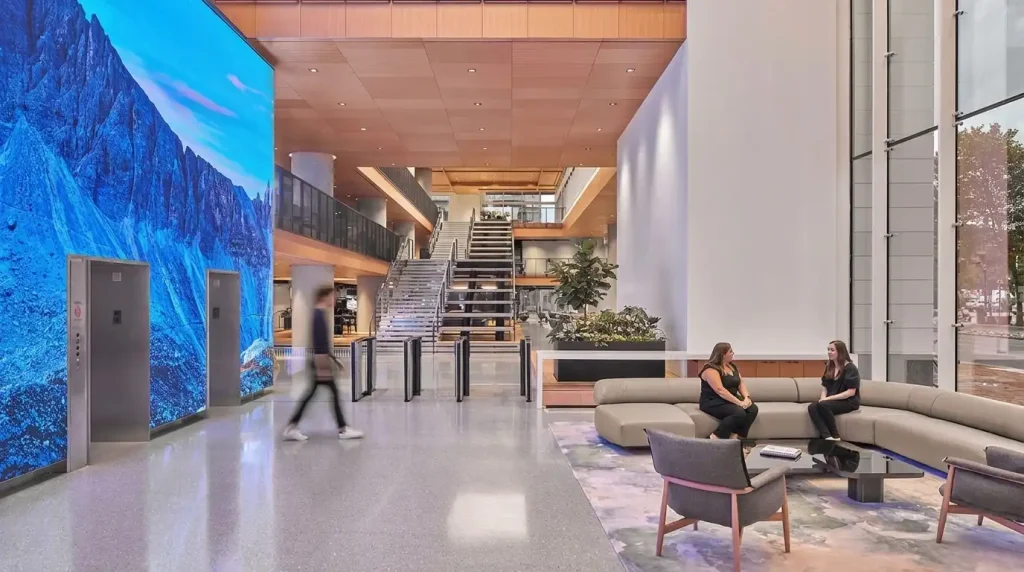
Marriott International has consistently demonstrated a forward-thinking approach to integrating technology into its operations and enhancing the guest experience. The company was notably the first hotel chain to offer online reservations back in 1995, a pioneering move that set a precedent for digital innovation in the hospitality sector. Today, technology is deeply embedded in Marriott’s corporate strategy, driven by leaders like its Executive Vice President and Chief Revenue and Technology Officer, Drew Pinto.
Recent technological advancements at Marriott aim to create more seamless, personalized, and efficient stays. Mobile check-in and keyless entry systems have become standard, allowing guests to bypass the front desk and use their smartphones to access their rooms. This not only improves convenience but also aligns with evolving consumer expectations for digital-first interactions. High-speed internet access is a crucial offering across its portfolio, recognizing guests’ reliance on digital tools for work, entertainment, and communication.
Marriott is also exploring more advanced technologies to personalize and streamline services. The integration of its loyalty program, Marriott Bonvoy, with various digital platforms enables personalized offers and easier access to reservations. In some properties, the company has introduced assistive AI order-taking systems for room service, which draw from real-time information to provide diverse and tailored results based on guest tastes. Furthermore, Marriott is leveraging data and analytics to understand guest preferences better, allowing for more relevant recommendations and services. This focus on data-driven personalization aims to make guests feel “seen” and valued, even within a large-scale operation.
Beyond operational efficiency, Marriott is venturing into high-tech wellness offerings, particularly within its luxury portfolio. Innovations such as massage robots, virtual reality meditation, and red-light therapy are being explored to cater to modern travelers seeking holistic, tech-enabled, and personalized wellness experiences. These initiatives reflect Marriott’s commitment to continuously adapting to changing market conditions and guest demands, ensuring it remains at the forefront of hospitality innovation. More details on how major hospitality players are incorporating technology can be found on Wikipedia’s hospitality industry page.
Serve 360: Commitment to Sustainability and Social Impact
Marriott International recognizes its significant role as a global corporate citizen and has made a robust commitment to sustainability and social responsibility through its “Serve 360: Doing Good in Every Direction” platform. This comprehensive framework guides the company’s efforts to make a positive and sustainable impact wherever it conducts business, grounded in its core values.
Marriott has established ambitious 2025 sustainability and social impact goals, targeting key environmental metrics across its vast portfolio. These goals include reducing water intensity by 15%, carbon intensity by 30%, and waste to landfill by 45%. The company is also committed to locally sourcing 50% of produce and responsibly sourcing 95% of its top 10 priority categories, such as animal proteins and seafood, by 2025. To address climate change more broadly, Marriott has pledged to set science-based emissions reduction targets and aims to achieve net-zero greenhouse gas (GHG) emissions across its value chain by no later than 2050. The Climate Action Program (CAP), launched for all managed and franchised properties, focuses on data management technologies, efficiency projects, and increased use of renewable energy to drive progress towards these targets.
Beyond environmental stewardship, Serve 360 encompasses social impact initiatives. Marriott is dedicated to advancing human rights, actively combating human trafficking within the industry, and striving to make travel more accessible for all. The company also prioritizes access to opportunity, focusing on associate well-being, creating career pathways, and fostering an inclusive and supportive environment for its diverse workforce. By working with organizations to prepare individuals for meaningful careers, Marriott aims to strengthen both the hospitality industry and the communities it serves. Its commitment extends to supporting local communities, volunteering time, caring for the natural environment, aiding children’s well-being, and providing essential help during times of need. This holistic approach demonstrates Marriott’s understanding that true business success is intertwined with responsible global citizenship.
Conclusion: The Enduring Vision of Marriott
Marriott International’s journey from a modest root beer stand to a global hospitality behemoth is a testament to its enduring vision, adaptability, and unwavering commitment to its core values. By continuously expanding its diverse portfolio of brands, innovating with cutting-edge technology, and fostering a robust loyalty program like Marriott Bonvoy, the company has solidified its position as a leader in the dynamic travel industry. Its extensive global footprint, spanning hundreds of countries and thousands of properties, reflects a deep understanding of diverse traveler needs and market opportunities. Furthermore, Marriott’s “Serve 360” platform showcases a proactive and profound dedication to sustainability and social responsibility, addressing critical environmental and community challenges. As the world of travel continues to evolve, Marriott International remains poised to shape its future, consistently striving to deliver exceptional experiences while making a positive impact on the world. The company’s ability to balance scale with personalized service, and innovation with responsibility, ensures its continued relevance and leadership for decades to come.