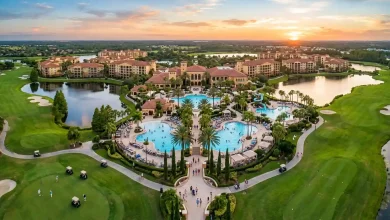
8 Reasons to Love Marriott International – World’s Leading Hospitality Brand
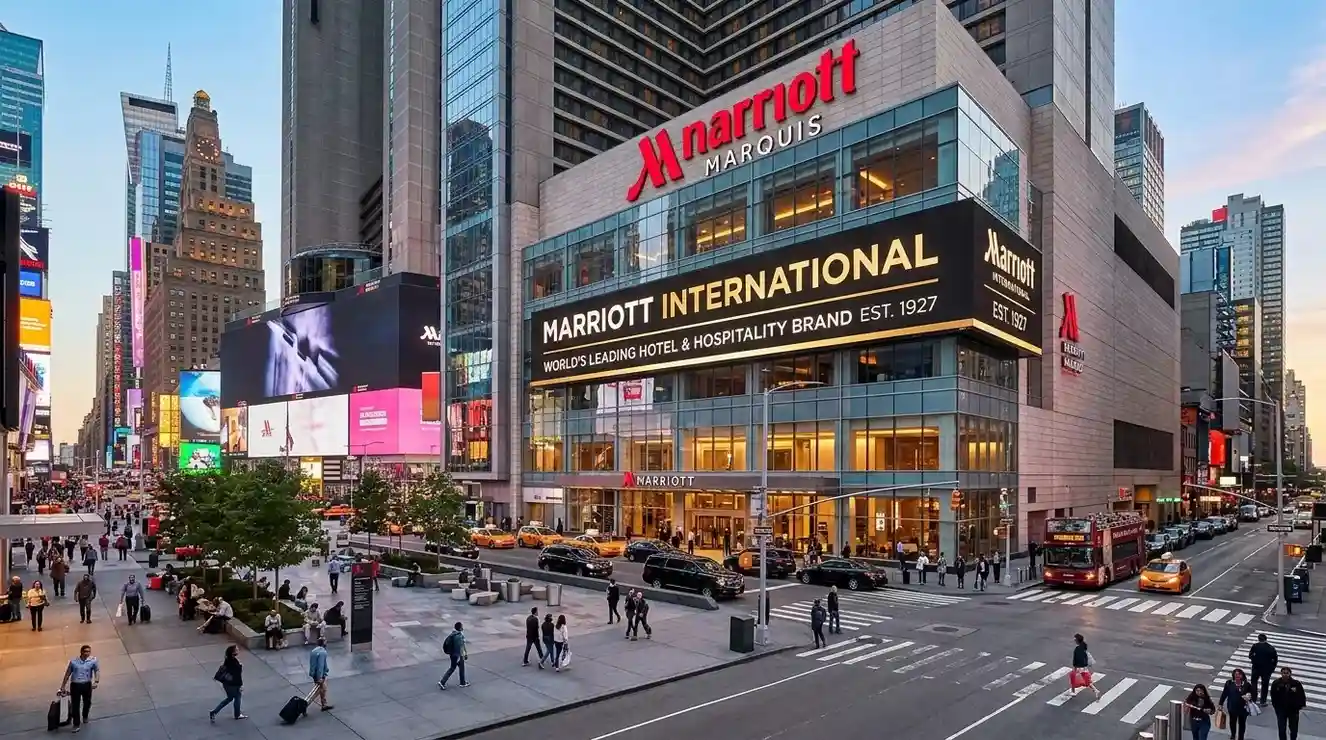
Table of Contents
Marriott International stands as a monumental force in the global hospitality industry, recognized worldwide as a leading hotel and hospitality brand. Its journey began humbly in 1927, when J. Willard and Alice S. Marriott opened a nine-seat A&W Root Beer stand in Washington, D.C.. This modest venture, initially known as Hot Shoppes, quickly expanded its offerings, demonstrating an early adaptability that laid the groundwork for its future as a global hospitality leader. From its initial foray into food service, the company diversified, opening its first hotel, the Twin Bridges Marriott Motor Hotel in Arlington, Virginia, in 1957. This strategic pivot marked the true beginning of Marriott’s ascendancy in the lodging sector, eventually leading to its incorporation as Marriott International, Inc. in 1993, following the split of Marriott Corporation. Today, Marriott International is the world’s largest hotel company by the number of available rooms, operating, franchising, and licensing lodging brands across an unparalleled global network.
The Genesis of a Hospitality Giant: Marriott’s Enduring Legacy
The story of Marriott International is one of continuous innovation, strategic expansion, and a steadfast commitment to its founding values. J. Willard Marriott’s philosophy, “Take care of the associates and they will take care of the customers, and the customers will come back again and again,” has remained a cornerstone of the company’s culture for nearly a century. This people-first approach has fostered a celebrated work environment and translated into exceptional guest experiences. After establishing a successful chain of Hot Shoppes restaurants and diversifying into airline catering, the move into hotels in the mid-20th century proved transformative. The opening of the Marriott Motor Hotel in 1957 in Arlington, Virginia, signaled a new era, with the company steadily building its lodging portfolio. The 1993 corporate restructuring saw Marriott International emerge as the entity responsible for managing and franchising properties, while Host Marriott Corporation focused on property ownership. This asset-light business model has been instrumental in enabling Marriott’s rapid and extensive global growth, allowing it to expand its reach with reduced capital outlay and diversified revenue streams.
A Global Footprint: Marriott’s Expansive Portfolio and Reach
Marriott International’s global presence is truly staggering, encompassing an immense network of properties across numerous countries and territories. As of late 2024, the company operated over 9,300 properties and approximately 1.7 million rooms in 144 countries and territories worldwide. This extensive reach solidifies its position as the largest hotel company globally by available rooms. The company’s expansion is not merely about sheer numbers; it reflects a strategic approach to penetrate diverse markets and cater to a wide spectrum of traveler needs. Marriott’s development pipeline is robust, with nearly 3,800 hotels and over 577,000 rooms planned for development at year-end 2024, demonstrating its aggressive expansion strategy. The company consistently adds new rooms and properties, with record gross room additions of 123,000+ rooms in 2024, achieving a net room growth of 6.8%. This growth is further bolstered by strategic alliances, such as the partnership with MGM Resorts International, which added approximately 38,000 rooms in 2024. Marriott’s global network is supported by a complex corporate structure, including 1,748 subsidiaries operating in 63 countries, with a significant concentration in the United States, India, and Mexico.
Diverse Brands for Every Traveler and Occasion
A key factor in Marriott International’s dominance is its highly diversified portfolio of hotel brands, catering to virtually every segment of the travel market. Marriott operates over 30 distinct brands, categorized into Luxury, Premium, Select, Longer Stays, and Collections. This extensive range allows the company to appeal to varied preferences and price points, from the opulent Ritz-Carlton and St. Regis to the more moderately priced Courtyard and extended-stay options like Residence Inn.
| Category | Representative Brands | Target Audience / Focus |
|---|---|---|
| Luxury | The Ritz-Carlton, St. Regis, JW Marriott, EDITION, The Luxury Collection, Bulgari Hotels & Resorts | Exquisite experiences, impeccable service, high-end design, and opulence |
| Premium | Marriott Hotels, Sheraton, Westin, Le Méridien, Renaissance Hotels, Gaylord Hotels, Delta Hotels, Autograph Collection Hotels, Tribute Portfolio | Balanced quality, comfort, broader global distribution, full-service amenities |
| Select | Courtyard by Marriott, Fairfield by Marriott, SpringHill Suites, Four Points by Sheraton, Aloft Hotels, Moxy Hotels, AC Hotels by Marriott | Efficient, comfortable, value-driven stays with essential services |
| Longer Stays | Residence Inn by Marriott, TownePlace Suites by Marriott, Element by Westin, Marriott Executive Apartments | Spacious rooms, kitchen facilities, home-style amenities for extended visits |
| Collections | Autograph Collection Hotels, Design Hotels, Tribute Portfolio, MGM Collection with Marriott Bonvoy | Distinctive, independent hotels offering unique designs and cultural authenticity |
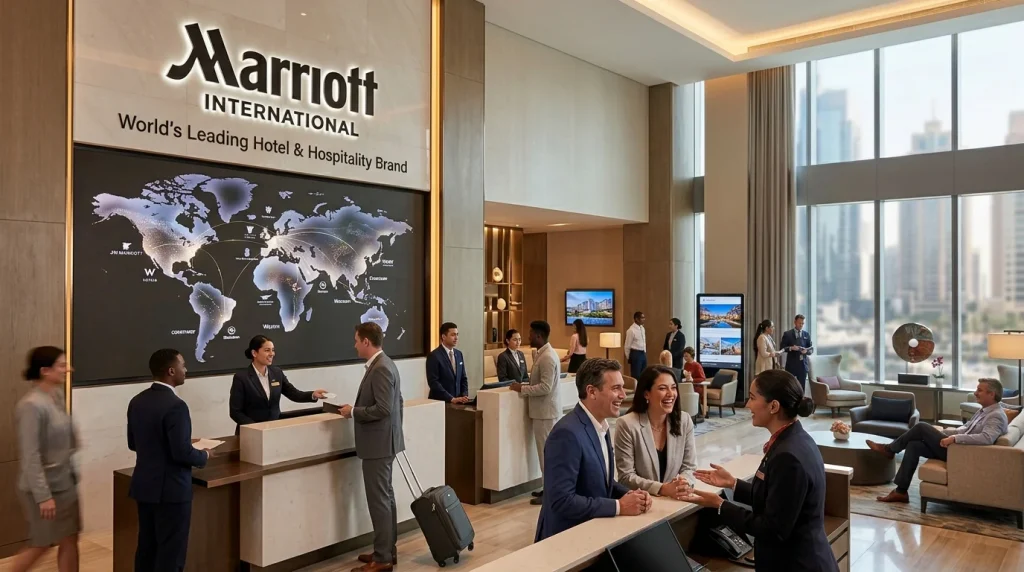
Each brand within Marriott’s portfolio is meticulously crafted to deliver a specific experience, ensuring that whether a guest seeks a lavish resort getaway, a convenient business stopover, or a comfortable extended stay, Marriott has an option. The acquisition of Starwood Hotels & Resorts in 2016 was a landmark event, further solidifying Marriott’s brand portfolio and market presence by integrating iconic brands like Sheraton and Westin. This strategic move made Marriott an even more formidable player in the global hospitality landscape.
Elevating the Guest Experience: Personalization and Loyalty
Marriott International places immense emphasis on delivering an exceptional and personalized guest experience, recognizing that customer loyalty is paramount to sustained growth. At the heart of this strategy is the Marriott Bonvoy loyalty program, which by late 2024 boasted nearly 228 million members globally. This program is designed not only to reward repeat guests but also to create deep emotional connections with the brand through tailored offers, exclusive events, and unique experiences, such as the “Marriott Moments” platform.
The company leverages sophisticated data analytics and customer relationship management (CRM) systems to understand individual guest preferences and provide personalized services at every touchpoint, from pre-arrival communications to post-stay surveys. Frequent business travelers, for instance, might receive offers for room upgrades, while leisure travelers could be offered dining credits. Marriott’s digital tools, including mobile check-in, mobile key, and digital concierge features, further enhance the guest journey, providing seamless and convenient interactions. The success of these personalized strategies is evident in increased direct bookings and higher engagement rates among loyalty members.
Pioneering Sustainability and Corporate Responsibility
In an era of increasing environmental consciousness, Marriott International has positioned itself as a leader in sustainability and corporate social responsibility (CSR). The company’s comprehensive sustainability and social impact platform, “Serve 360: Doing Good in Every Direction,” guides its efforts to make a positive impact wherever it operates. Under this platform, Marriott has established ambitious 2025 Sustainability and Social Impact Goals. These goals include reducing carbon intensity by 30%, water intensity by 15%, and waste to landfill by 45% (with a 50% cut in food waste). The company is also striving to achieve 30% renewable electricity across its portfolio by 2025 and has committed to reaching net-zero greenhouse gas emissions across its value chain by no later than 2050.
Marriott’s commitment extends to integrating sustainable practices into hotel design and operations, aiming for 100% of properties to be certified to a recognized green building standard, with 650 hotels pursuing LEED or equivalent certification by 2025. Operational upgrades include modernizing hotels with LED lighting, smart thermostats, low-flow water fixtures, and smart irrigation systems. Furthermore, Marriott is actively reducing single-use plastics, piloting food waste tracking software, and responsibly sourcing its supply chain, aiming to locally source 50% of produce and responsibly source 95% of its top 10 priority categories by 2025. Marriott also supports local communities through volunteering and philanthropic efforts. For more details on global sustainability initiatives, refer to the Wikipedia article on Sustainability.
Digital Transformation and the Future of Hospitality
Marriott International is actively undergoing a multi-year digital and technology transformation, investing significantly to modernize its operations and enhance the customer experience. This initiative focuses on developing a cloud-native infrastructure, replatforming core systems like its central reservation system, property management system, and loyalty platform, and exploring the strategic use of AI technologies. The company is committing over $1 billion in investment spending in 2026, with more than a third dedicated to digital and technology transformation.
A core aspect of Marriott’s digital strategy involves building an “agentic mesh” – a shared intelligence layer designed to support AI agents across various functions, including marketing, operations, customer service, and revenue optimization. The goal is to automate high-cost processes, streamline operations, and free up associates from manual tasks to focus on guest service. Cybersecurity is also a top priority, with Marriott committed to enhancing its data privacy and security programs following past data breaches. The company’s digital efforts are also geared towards leveraging data analytics for personalized marketing and content creation, establishing Marriott as a thought leader in travel.
Navigating Challenges in a Dynamic Market
Despite its robust position, Marriott International operates within a highly dynamic and competitive global hospitality sector, facing continuous challenges. Economic downturns, increased competition from traditional hotel brands and alternative accommodations like Airbnb, and evolving consumer preferences for unique experiences all present hurdles. The company has also had to address issues such as data breaches, necessitating significant investments in cybersecurity and data privacy.
The hospitality industry is cyclical, and Marriott’s performance can be influenced by macroeconomic uncertainties, as seen in its slightly lowered full-year outlook due to concerns about slowing economic activity and consumer confidence in early 2025. Workforce management also presents ongoing challenges, with the company undertaking strategic restructuring and cost-cutting measures, including corporate employee layoffs, aimed at operational efficiency without impacting hotel staffing or guest experience. Marriott’s strategy to navigate these challenges includes continued investment in innovation, technology, and sustainability, as well as a focus on expanding into diverse market segments, such as its midscale City Express by Marriott brand.
Conclusion
Marriott International’s journey from a root beer stand to the world’s leading hotel and hospitality brand is a testament to its visionary leadership, unwavering commitment to service, and relentless pursuit of innovation. With an expansive global footprint, a diverse portfolio of over 30 brands, and a profound dedication to guest experience, Marriott continues to redefine the standards of luxury, comfort, and service in the hospitality sector. Its pioneering efforts in sustainability and ambitious digital transformation initiatives underscore its readiness to address future challenges and maintain its competitive edge. By putting people first, embracing change, and pursuing excellence, Marriott International is not merely a hotel company; it is a global icon that consistently shapes the future of travel and hospitality worldwide.