Marriott Hotels & Resorts: 10 Incredible Innovations That Redefined Luxury Hospitality
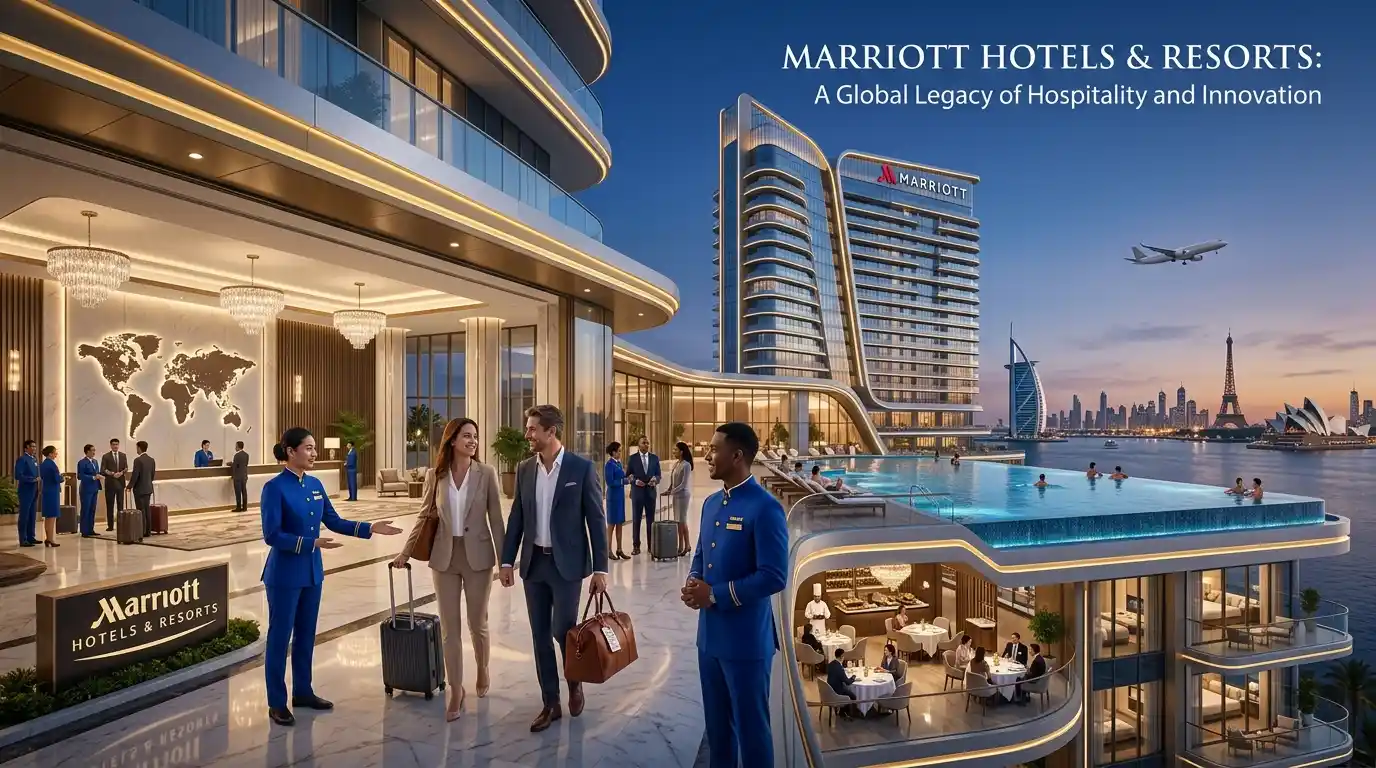
Table of Contents
Marriott Hotels & Resorts stands as a titan in the global hospitality industry, a name synonymous with quality, service, and a vast network of accommodations that span the spectrum from luxurious retreats to convenient extended-stay options. More than just a collection of hotels, Marriott International represents a pioneering spirit that has consistently shaped the travel experience for nearly a century. Its journey, from a humble root beer stand in Washington D.C. to the world’s largest hotel company, showcases a relentless pursuit of excellence and an adaptive business model that continues to thrive in an ever-evolving market. This comprehensive article delves into the various facets that define Marriott Hotels & Resorts, exploring its historical trajectory, immense global footprint, diverse brand portfolio, innovative business strategies, acclaimed loyalty program, commitment to sustainability, and its forward-looking vision for the future of travel.
A Rich History: From Root Beer Stand to Global Empire
The remarkable story of Marriott Hotels & Resorts begins in 1927, when J. Willard Marriott and his wife, Alice S. Marriott, opened a nine-seat A&W root beer stand in Washington, D.C.. This modest venture, initially named “Hot Shoppes,” quickly expanded into a successful chain of restaurants, laying the foundation for what would become a global hospitality powerhouse. In 1929, the company was officially incorporated as Hot Shoppes, Inc..
The pivotal moment in Marriott’s diversification into lodging came on January 16, 1957, with the opening of its first hotel, the Twin Bridges Motor Hotel, in Arlington, Virginia. This initial foray into hotels marked the beginning of an era of rapid expansion, with the second property, the Key Bridge Motor Hotel, opening just two years later in 1959. By 1967, the company had grown significantly and was officially renamed Marriott Corporation. J.W. Marriott, Jr., son of the founders, was instrumental in leading this new segment of the business and overseeing its expansion.
A significant strategic restructuring occurred in 1993 when Marriott Corporation split into two distinct entities: Marriott International, Inc., which focused on franchising and managing properties, and Host Marriott Corporation (now Host Hotels & Resorts), which owned properties. This move solidified Marriott International’s asset-light business model, a strategy that would become a cornerstone of its future growth. Key acquisitions further shaped its portfolio, including a 49% interest in The Ritz-Carlton Hotel Company in 1995, followed by an additional 49% in 1998, giving Marriott almost full ownership of the luxury brand.
The most transformative event in Marriott’s history occurred in 2016 with its monumental $13.6 billion acquisition of Starwood Hotels & Resorts. This strategic move brought renowned brands like Sheraton, Westin, St. Regis, and W Hotels into the Marriott family, solidifying its position as the world’s largest hotel company by number of rooms and significantly expanding its global footprint across 30 brands and over 8,700 hotels in more than 130 countries at the time. Today, Marriott International maintains its headquarters in Bethesda, Maryland, continuing its legacy of innovation and leadership in the hospitality sector.
Unparalleled Scale and Global Reach
Marriott International is recognized as the largest hotel company globally, a distinction earned through its extensive network of properties and rooms. As of its 2025 financial documents, the company boasted 41 distinct brands, encompassing 9,361 properties with a staggering 1,706,331 rooms across 144 countries and territories. More recent data from September 30, 2025, indicates a portfolio of over 9,700 properties across more than 30 leading brands in 143 countries and territories, with year-end 2025 figures further detailing nearly 1.78 million rooms across over 9,800 properties in 145 countries and territories.
This immense scale is not merely a matter of quantity but reflects a deeply ingrained strategy of strategic growth and market penetration. Marriott’s global reach extends to every major financial hub, tourist destination, and resort location worldwide, making it a preferred choice for both business and leisure travelers. The company’s development pipeline remains robust, with approximately 610,000 rooms in progress as of year-end 2025, signaling continued expansion and future growth.
In terms of market share, Marriott holds a dominant position, accounting for an estimated 17% of the U.S. hotel market and approximately 4% of the hotel market outside the U.S., based on the number of rooms. As of Q1 2026, Marriott International Inc.’s market share in the Hotels & Motels industry was reported at 18.22%. This extensive global presence allows Marriott to offer an unparalleled array of choices, meeting diverse travel needs and preferences across various price points and experiences.
A Diverse Portfolio: Catering to Every Traveler
Marriott International’s strength lies in its exceptionally diverse portfolio of over 30 to 41 brands, strategically categorized to cater to virtually every traveler and occasion. These brands are generally segmented into Luxury, Premium, Select, Longer Stays, and Collections, each offering distinct experiences and amenities.
The Luxury segment embodies exclusivity and unparalleled service, featuring iconic names such as The Ritz-Carlton, St. Regis, JW Marriott, EDITION, W Hotels, Bulgari Hotels & Resorts, The Luxury Collection, and Ritz-Carlton Reserve. These brands are designed for discerning travelers seeking exquisite experiences and opulent surroundings.
The Premium tier provides sophisticated and full-service accommodations, including the flagship Marriott Hotels brand, Sheraton, Westin, Le Méridien, Renaissance Hotels, Autograph Collection, Delta Hotels, Gaylord Hotels, Tribute Portfolio, Design Hotels, Marriott Vacation Clubs, and the MGM Collection with Marriott Bonvoy. This segment offers a broad array of choices for both business and leisure travel, known for their modern amenities and comprehensive services.
For travelers seeking quality comfort without excessive frills, the Select service brands offer a smart and efficient experience. This category includes popular brands like Courtyard by Marriott, Fairfield by Marriott, Four Points by Sheraton, AC Hotels, Aloft Hotels, Moxy Hotels, SpringHill Suites, City Express by Marriott, and Protea Hotels. These brands are often favored by business travelers and those looking for reliable, well-equipped stays.
Recognizing the growing demand for longer stays, Marriott also offers a dedicated category that includes brands such as Residence Inn, TownePlace Suites, Element Hotels, Marriott Executive Apartments, and StudioRes. These properties provide spacious rooms, kitchen facilities, and home-style amenities, ideal for extended visits.
Marriott continues to innovate and expand its brand offerings, including the introduction of new midscale brands like City Express by Marriott, StudioRes, and Four Points Flex by Sheraton. In 2025, Marriott also introduced Series by Marriott™, a global collection brand for the midscale and upscale lodging segments, which quickly saw significant growth in markets like India and the U.S. & Canada. This strategic approach ensures that Marriott remains at the forefront of hospitality, constantly evolving to meet market demands and traveler preferences.
The Asset-Light Business Model: A Formula for Growth
A key to Marriott International’s enduring success and expansive growth is its distinctive “asset-light” business model. Unlike traditional hotel companies that own a large number of properties, Marriott primarily operates, franchises, and licenses its lodging brands, owning very few of the actual hotels. This strategy significantly reduces the capital expenditures and financial risks associated with acquiring, developing, or maintaining real estate, allowing Marriott to focus on its core competencies of brand building, management, and distribution.
Under this model, independent property owners or investment groups pay Marriott for the right to use its established brands and benefit from its robust operational framework. Marriott generates revenue primarily through hotel management fees, franchise fees (typically a percentage of gross room revenue, often 4-6%), and incentive-based fees tied to the financial performance of properties under its management. Additionally, the company earns revenue from licensing agreements and partnerships, such as co-branded credit cards and vacation clubs.
In exchange for these fees, Marriott provides a comprehensive suite of support services to its franchisees and managed properties. This includes established brand standards and operational guidelines, training programs for staff and management, access to global sales and marketing channels, cutting-edge technology systems for reservations and data management, and inclusion in its world-renowned loyalty program, Marriott Bonvoy. These recurring and scalable income streams provide stability and predictability, shielding Marriott from some of the cyclical downturns in the travel industry.
This mutually beneficial partnership allows property owners to leverage Marriott’s instant credibility, global network, and strong brand recognition, while Marriott expands its empire without the heavy capital investment of direct ownership. Long-term management and franchise agreements, often starting with 20-year terms and renewable for up to 50 years, create significant barriers to entry for competitors and solidify Marriott’s presence in prime locations worldwide. This asset-light approach has enabled Marriott to build a global empire with a market capitalization nearing $72 billion, while directly owning less than 1% of its hotels.
| Category | Key Brands (Examples) | Distinguishing Features |
|---|---|---|
| Luxury | The Ritz-Carlton, St. Regis, JW Marriott, EDITION, W Hotels | Exquisite service, opulent design, exclusive experiences, high-end amenities. |
| Premium | Marriott Hotels, Sheraton, Westin, Le Méridien, Renaissance Hotels, Autograph Collection | Full-service hotels, modern amenities, diverse offerings for business and leisure. |
| Select | Courtyard by Marriott, Fairfield by Marriott, Four Points by Sheraton, AC Hotels, Aloft Hotels | Quality comfort, efficient service, smart design, often catering to business and short-stay travelers. |
| Longer Stays | Residence Inn, TownePlace Suites, Element Hotels, Marriott Executive Apartments, StudioRes | Spacious rooms, kitchen facilities, home-like amenities for extended visits. |
| Collections | Tribute Portfolio, Design Hotels, MGM Collection with Marriott Bonvoy, Series by Marriott™ | Independent hotels with unique personalities, curated experiences, and distinct design. |
Marriott Bonvoy: Elevating the Guest Experience
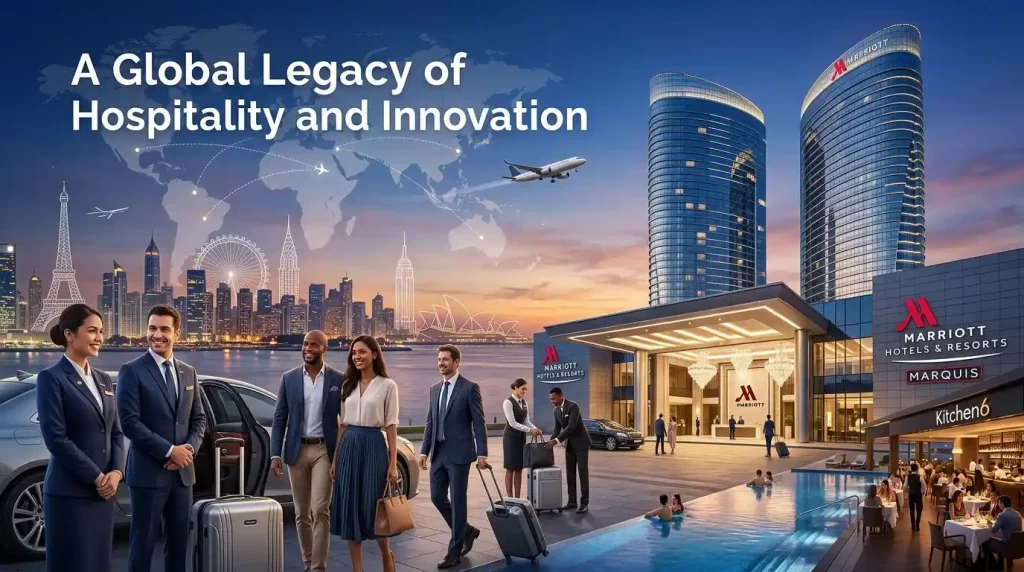
At the heart of Marriott’s customer-centric strategy is Marriott Bonvoy, its highly acclaimed and expansive travel loyalty program. Launched in 2019, Bonvoy unified Marriott Rewards, The Ritz-Carlton Rewards, and Starwood Preferred Guest (SPG) into a single, comprehensive platform, creating one of the largest loyalty programs in the hospitality industry. As of March 2026, the program boasts over 271 million members globally, a figure that surpassed 248 million members with a penetration reaching a record 69% of global rooms and 74% in the U.S. and Canada by June 2026.
Membership in Marriott Bonvoy is free and offers immediate benefits upon signup. Basic members enjoy complimentary in-room Wi-Fi, exclusive member discounted rates, and convenient mobile check-in and mobile key functionality through the Marriott app. Members also earn 10 base points for every dollar spent at most Marriott brands, which can be redeemed for award nights, upgrades, and various partner rewards.
The program features a tiered structure (Silver Elite, Gold Elite, Platinum Elite, Titanium Elite, and Ambassador Elite), with each level unlocking progressively more valuable perks based on the number of qualifying nights stayed annually. These elite benefits can include bonus points on eligible purchases (ranging from 10% for Silver Elite to 75% for Ambassador Elite), priority late checkout (up to 4 p.m. for Platinum Elite and higher, subject to availability), enhanced room upgrades (including select suites for higher tiers), and welcome gifts such as points or complimentary breakfast offerings. Platinum Elite members and above often enjoy lounge access at many participating brands, further enhancing their stay.
A notable feature of Marriott Bonvoy is its flexible point redemption options. Members can redeem points for hotel nights, transfer points to airline miles, or even share points with other members, providing versatility and ensuring points are utilized effectively. The program also offers a compelling “Stay 5 nights, get 1 free” benefit when redeeming points for consecutive nights, automatically making the lowest point value night free, thereby increasing value for all members regardless of elite status. The strategic importance of Bonvoy is evident in its ability to drive bookings, with over half of Marriott’s global room nights in 2022 booked by Bonvoy members. This powerful loyalty program is a testament to Marriott’s commitment to recognizing and rewarding its most frequent and valued guests.
Sustainability and Social Impact: Serve 360
Marriott International recognizes its profound responsibility to the planet and the communities in which it operates, embedding sustainability and social impact into its core business strategy through its “Serve 360: Doing Good in Every Direction” platform. This comprehensive framework guides Marriott’s commitment to making a positive and sustainable impact globally, addressing critical environmental and social challenges.
The company is dedicated to reducing its environmental footprint through various initiatives. This includes a strong focus on energy-efficient technologies, such as smart thermostats, LED lighting, and optimized heating and cooling systems in its hotels, which not only conserve energy but also reduce operational costs. Marriott also prioritizes waste reduction, moving away from single-use plastics by eliminating plastic straws and transitioning to larger, refillable bottles for in-room amenities. Programs for composting food waste and increasing recycling efforts are also actively pursued to minimize landfill waste.
Water conservation is another critical area, with Marriott implementing water-saving devices like low-flow showers and faucets, as well as smart irrigation systems for landscaping. In many locations, wastewater recycling is also employed to reduce overall water consumption. Furthermore, Marriott is committed to sustainable building practices, designing new hotels with eco-friendly materials and aiming for green building certifications like LEED (Leadership in Energy and Environmental Design). The company’s new global headquarters, for example, is designed to achieve a minimum of LEED Gold certification.
Marriott’s Serve 360 platform outlines concrete, measurable, and transparent goals. By 2025, the company aims to locally source 50% of all produce (measured by total spend) and responsibly source 95% of its top 10 priority categories, which include animal proteins, bottled water, coffee, and textiles. Marriott has also committed to sourcing 100% of its eggs from cage-free sources globally by the end of 2025. Looking further ahead, Marriott International has committed to setting science-based emissions reduction targets with a long-term goal to reach net-zero emissions by no later than 2050. This steadfast approach to sustainability ensures long-term resilience for the company and contributes positively to the environment and communities worldwide.
Innovation and the Future of Hospitality
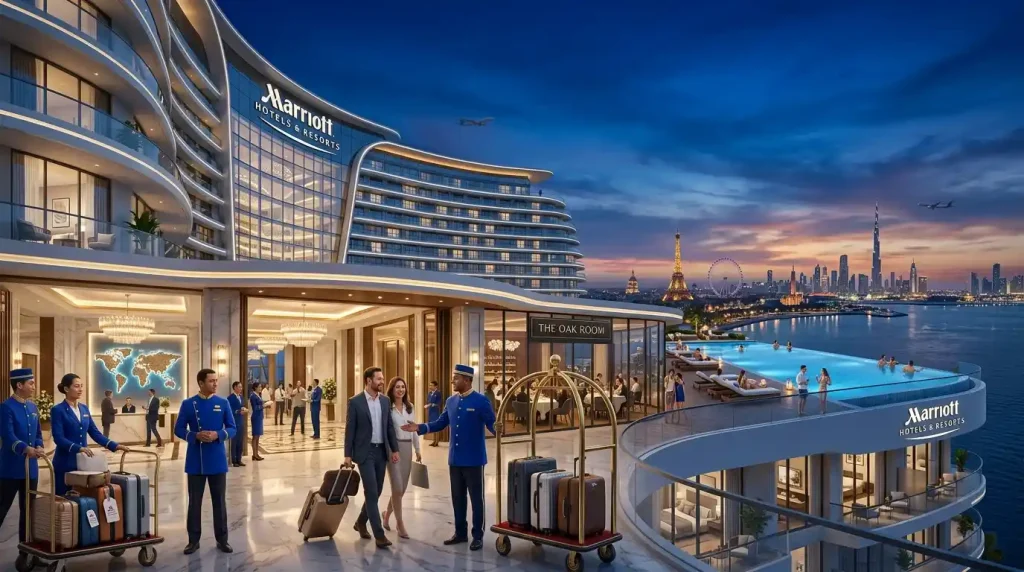
Marriott Hotels & Resorts continues to lead the way in hospitality through a constant focus on innovation, adapting to changing traveler preferences and leveraging cutting-edge technology. The company’s strategic vision for the future emphasizes personalized guest experiences, eco-friendly operations, and digital transformation.
A significant aspect of Marriott’s forward-looking strategy involves a comprehensive overhaul of its technology infrastructure. This includes introducing new digital retail capabilities to streamline the customer experience, such as easier search functionalities, room attribute pricing, sales of non-room products, and flexible payment options. Marriott is also in the process of retiring legacy systems like its Central Reservations, Property Management, and Loyalty platforms, replacing them with a modern, cloud-based travel innovation platform designed to enhance data integration, reporting, and scalability. This technological evolution aims to create more seamless and intuitive interactions for guests and more efficient operations for hotel owners.
In anticipation of future travel trends, Marriott’s Luxury Group unveiled its 2026 strategic direction, highlighting three key macro trends: longevity, connection, and transformation. Longevity reflects a growing emphasis among affluent travelers on self-care, holistic well-being experiences, and embracing longevity rituals such as biohacking or ancient healing practices. To meet this demand, Marriott’s luxury portfolio is curating distinct wellness identities and offering rejuvenating programs. Connection emphasizes the desire for deeper cultural engagement and shared experiences, leading Marriott to design its luxury offerings around togetherness, including branded residences for multi-generational groups and curated itineraries on ventures like The Ritz-Carlton Yacht Collection. Transformation experiences focus on culturally grounded activities designed to connect guests more meaningfully with their surroundings, such as truffle hunting in Tuscany or coral planting in Bora Bora.
The company also continues its strategic expansion, particularly in the midscale and luxury segments. In 2025, Marriott reinforced its luxury leadership with a record-breaking 114 luxury deals, representing nearly 10% of its organic signings, and closed the year with 296 luxury hotels and resorts in the pipeline. Similarly, it is seeing robust growth in midscale offerings, with brands like City Express by Marriott expanding rapidly.
Financially, Marriott International projects continued growth. For the full year 2026, the company expects global Revenue Per Available Room (RevPAR) to grow between 2% and 3%. Net rooms growth is forecast to be between 4.5% and 5%, indicating healthy expansion despite typical room deletions. Analysts also forecast a significant revenue growth rate of 23.5% per annum for Marriott. This robust outlook underscores Marriott’s ability to adapt, innovate, and continue its trajectory as a global leader in hospitality, constantly redefining what it means to travel and stay. More information on Marriott International’s global operations and financial performance can be found on its Wikipedia page.
Conclusion
Marriott Hotels & Resorts has cultivated a legacy that transcends mere accommodation, establishing itself as a global benchmark for hospitality excellence. From its humble origins as a D.C. root beer stand, the vision of J. Willard and Alice S. Marriott has blossomed into an unparalleled international enterprise. The company’s strategic asset-light business model, combined with its expansive and diverse brand portfolio, allows it to cater to a vast spectrum of travelers while maintaining robust growth. Through its industry-leading Marriott Bonvoy loyalty program, Marriott fosters deep connections with guests, offering personalized experiences and valuable rewards. Furthermore, its profound commitment to sustainability, encapsulated in the Serve 360 platform, underscores a dedication to responsible global citizenship. As Marriott International continues to embrace technological innovation and anticipate evolving guest desires, it remains poised to shape the future of travel, consistently delivering exceptional experiences and reinforcing its position as a true pioneer in the world of hospitality.