San Antonio Marriott Rivercenter – Luxury Downtown Stay on the River Walk 2026
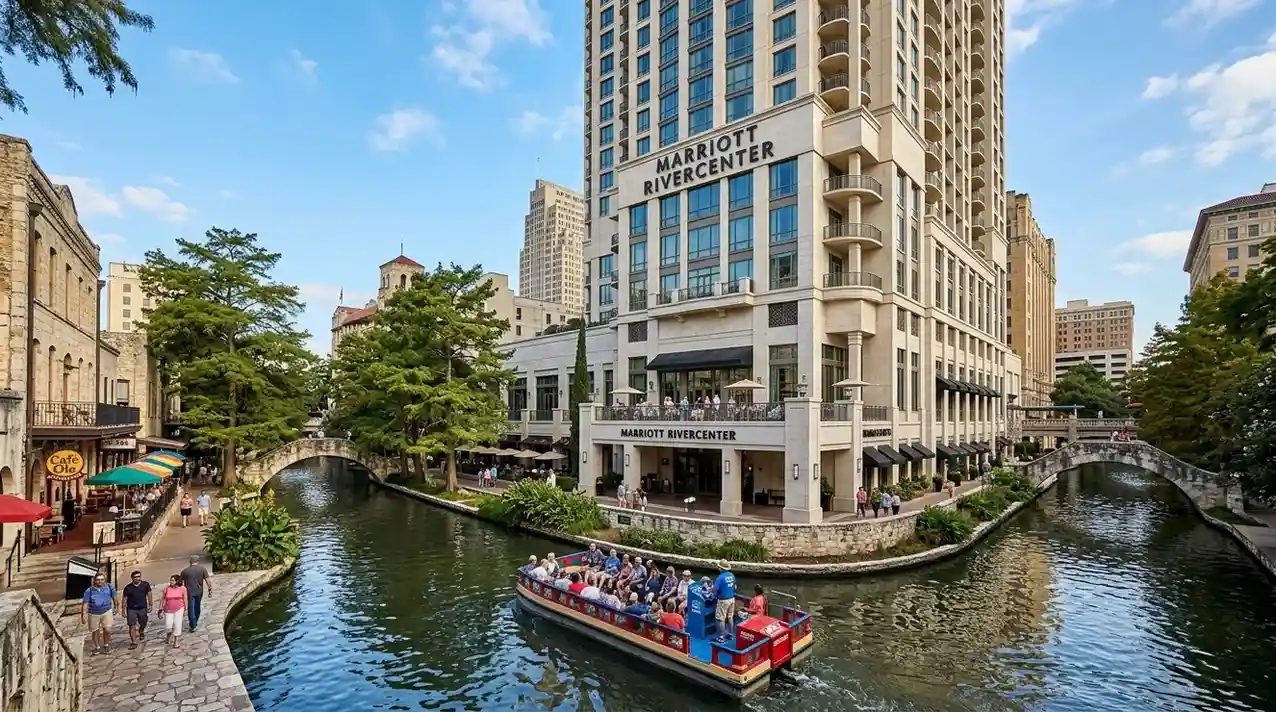
Table of Contents
San Antonio Marriott Rivercenter offers a truly unparalleled luxury downtown stay on the city’s world-renowned River Walk, embodying sophistication and convenience for both leisure and business travelers. Nestled in the vibrant heart of downtown San Antonio, this distinguished hotel provides direct access to the picturesque River Walk, immersing guests in the city’s rich culture and dynamic energy. From its elegantly renovated rooms to its diverse dining options and extensive amenities, the Marriott Rivercenter promises an unforgettable experience defined by comfort, style, and exceptional service.
A Premier Location on the Iconic River Walk
The strategic location of the San Antonio Marriott Rivercenter is undoubtedly one of its most compelling attributes. Situated directly on the River Walk, guests step out of the hotel and immediately into a bustling promenade lined with charming cafes, vibrant shops, and historical landmarks. This prime positioning places visitors mere steps away from many of San Antonio’s most iconic attractions, including the historic Alamo and the bustling Henry B. González Convention Center. The hotel is also seamlessly connected to the Rivercenter Mall, offering an array of shopping, dining, and entertainment options, including an IMAX theater. The ease of access to the River Walk means that guests can effortlessly embark on a Go Rio Riverboat Cruise directly from a boarding stop behind the hotel, often included as part of a daily destination fee, providing a unique perspective of the city’s charming waterways. Whether for a romantic getaway, a family vacation, or a crucial business trip, the Marriott Rivercenter’s location ensures that every facet of San Antonio is within easy reach, enhancing the overall travel experience.
The surrounding area is a vibrant hub of activity, allowing guests to explore the city on foot. This convenient access minimizes the need for transportation, offering a truly immersive downtown experience. For those attending conferences or conventions, the hotel’s proximity, just one block from the Henry B. González Convention Center, makes it an ideal choice, blending business functionality with leisure opportunities. The ability to transition effortlessly from professional engagements to leisurely strolls along the River Walk underscores the hotel’s appeal as a premier downtown destination.
Sophisticated Accommodations with Breathtaking Views
The San Antonio Marriott Rivercenter prides itself on offering a wide array of sophisticated and newly renovated accommodations designed to provide the utmost comfort and relaxation. With 1001 guest rooms, including 87 luxurious suites, the hotel caters to a variety of preferences and needs. Each room and suite is thoughtfully appointed with modern furnishings, plush bedding, and contemporary amenities, creating a tranquil haven for travelers.
- Guest Rooms: Standard guest rooms feature comfortable bedding, flat-screen televisions, and well-designed work areas, ensuring a productive and restful stay. Many rooms offer stunning panoramic views of the city skyline or the serene River Walk, allowing guests to immerse themselves in San Antonio’s beauty.
- Suites: For those seeking extra space and enhanced luxury, the Marriott Rivercenter’s suites are an excellent choice. These spacious accommodations often include separate living, dining, and sleeping areas, providing an ideal setup for families, groups, or extended stays. Some suites also boast balconies, offering a private vantage point to enjoy the vibrant cityscape below. The opulent Luxury Suite, for example, features elegant furnishings, multiple seating areas, and a wet bar, perfect for entertaining or unwinding in style.
- M Club Lounge Access: Elite Marriott Bonvoy members or guests with specific reservations can enjoy exclusive access to the M Club Lounge. Located on a high floor, often the 26th or 28th, the lounge provides a quiet retreat with gorgeous city views and sometimes a balcony for an al fresco experience. M Club amenities typically include daily breakfast, evening hors d’oeuvres, and a complimentary beverage station with non-alcoholic drinks, with beer and wine available for purchase in the evenings. This dedicated space offers a private and enhanced experience for guests seeking an elevated level of service and convenience.
The hotel’s commitment to guest comfort extends to every detail, from pillowtop bedding to integrated charging stations and mini-fridges in guest rooms. The recently renovated interiors reflect an upscale residential design, blending modern aesthetics with functional elegance.
Culinary Delights: A Taste of Texas and Beyond
Dining at the San Antonio Marriott Rivercenter is an experience in itself, with a range of culinary options designed to satisfy diverse palates. The hotel’s signature restaurant, Tributary, stands out as a tribute to Texas cuisine, focusing on seasonality and fresh, locally sourced ingredients.
| Dining Venue | Cuisine/Offerings | Highlights |
|---|---|---|
| Tributary | Texas-inspired cuisine, seasonal ingredients, handcrafted cocktails, local craft beers | Open for breakfast, lunch, and dinner. Features dishes like Texas Beef Smash Burgers and Gulf Seafood. Known for its impressive selection of local spirits and engaging bartenders who can offer tequila education. |
| Cafe Bocadillo | Grab-and-go breakfast, Starbucks coffee, light meals (parfaits, salads, sandwiches), custom hot items (breakfast tacos, Panini sandwiches) | Casual hotel cafe located in the lobby, open daily from early morning to late evening. Ideal for quick bites and coffee. Offers a “Build a Cooler” option for day trips. |
| Lobby Bar | Handcrafted cocktails, extensive selection of top-shelf liquors (American Bourbons, Mexican Tequilas) | A dynamic meeting spot perfect for socializing with colleagues or unwinding with a drink. Popular for turning daily food and beverage credits into drink credits. |
| Room Service | Available throughout the day | Convenient for guests who prefer to dine in the comfort and privacy of their luxurious room or suite. |
Tributary offers a sophisticated dining atmosphere, serving delectable meals crafted from the freshest ingredients sourced from local farming partners. Guests can enjoy everything from hearty breakfast buffets to Texas Wagyu steaks for dinner, paired with an impressive selection of local spirits and craft beers. The restaurant’s bartenders are also noted for their expertise, offering “tequila education” for those interested in exploring agave spirits.
For more casual fare or a quick bite, Cafe Bocadillo, located in the hotel lobby, provides convenient grab-and-go options. This cafe serves Starbucks coffee, a variety of breakfast items, salads, sandwiches, and even custom hot items like breakfast tacos. It’s the perfect spot to fuel up before a day of exploring the city or to grab a snack anytime from morning until late evening. The lobby itself also features a vibrant bar, serving handcrafted cocktails and an extensive selection of top-shelf liquors, making it a popular gathering spot.
While the hotel offers excellent dining, many guests also appreciate the vast array of restaurants located just outside the hotel doors on the River Walk, providing an endless culinary adventure. Options like Fig Tree Restaurant, Boudro’s, and Little Rhein Steakhouse are frequently recommended for those looking to explore beyond the hotel’s offerings.
Unrivaled Amenities for Leisure and Business
The San Antonio Marriott Rivercenter is equipped with an impressive array of amenities designed to cater to the diverse needs of its guests, whether they are visiting for leisure, business, or a blend of both. These facilities contribute significantly to the hotel’s reputation as a luxury downtown stay.
- Indoor/Outdoor Pool: A standout feature is the refreshing indoor and outdoor swimming pool, offering a perfect respite from the Texas heat or a relaxing swim regardless of the weather. The pool deck often includes ample lounging space, inviting guests to unwind and soak up the sun.
- 24-Hour Fitness Center: For guests committed to their fitness routine, the hotel boasts a well-equipped, 24-hour fitness center. It features modern exercise equipment, including treadmills, ellipticals, stationary bikes, Synergy 360 equipment, and free weights. Locker rooms with showers are also available on this level.
- Business Services: Business travelers benefit from complimentary high-speed wireless internet access in their rooms and throughout the hotel for Marriott Bonvoy members. The hotel also provides a business center and a FedEx business center, offering essential services for those working remotely or attending conferences.
- Concierge and Guest Services: The Marriott Rivercenter offers a dedicated tour desk/concierge service, always ready to assist guests with local recommendations, reservations, and general inquiries. The attentive staff is frequently praised for their friendly and helpful service, contributing to a smooth and enjoyable stay.
- Green-Certified Property: The hotel is recognized as a Green-Certified property, reflecting its commitment to environmental sustainability.
The hotel’s dynamic lobby space serves as a central hub, providing a comfortable and inviting area for guests to relax, socialize, or grab a handcrafted cocktail. With amenities like on-site valet parking (though parking fees can be costly), and a guest laundry facility, the Marriott Rivercenter strives to ensure a seamless and convenient experience for all visitors. For more details on local attractions and activities in San Antonio, consider exploring resources like Wikipedia’s page on San Antonio, which provides a comprehensive overview of the city’s offerings.
Dynamic Event and Meeting Spaces
Beyond its reputation as a luxury retreat, the San Antonio Marriott Rivercenter is a leading destination for events and meetings, boasting extensive and versatile spaces. The hotel offers an impressive 42 event rooms and a total of 68,496 to 70,136 square feet of event space, making it capable of hosting gatherings of various sizes, from intimate corporate meetings to large-scale conventions.
The largest event room, the Grand Ballroom, can accommodate up to 6,400 guests and spans an impressive 41,600 square feet. This expansive space is complemented by numerous other meeting rooms of varying sizes, the smallest being 418 square feet. The hotel’s meeting facilities are newly transformed and equipped with sophisticated technology, supported by true Texas hospitality.
Its close proximity to the Henry B. González Convention Center, just one block away, further enhances its appeal as an event venue, allowing for a combined capacity for larger groups. The hotel offers a dedicated escalator system for its meeting floors, ensuring efficient access for event attendees. Whether planning a wedding, a corporate retreat, or a major conference, the Marriott Rivercenter provides a dynamic and professional environment with comprehensive catering services to ensure every event is a resounding success.
Exploring San Antonio from Your Luxury Base
The San Antonio Marriott Rivercenter serves as an ideal luxurious base from which to explore the vibrant city of San Antonio. Its direct connection to the River Walk means a plethora of attractions, dining, and entertainment options are literally on your doorstep. Beyond the immediate vicinity, guests can venture further to discover the rich history and unique charm that San Antonio offers.
- The Alamo: A short stroll from the hotel leads to the legendary Alamo, a historic mission and fortress compound that is a cornerstone of Texan history.
- River Walk Attractions: The River Walk itself is an attraction, with its boat tours, diverse restaurants, and unique shops. Guests can easily spend hours exploring its winding paths and enjoying the lively atmosphere.
- Market Square: A short distance away is Market Square, or “El Mercado,” a vibrant three-block outdoor plaza lined with shops, restaurants, and entertainment, offering a taste of Mexican culture and cuisine.
- Tower of the Americas: For breathtaking panoramic views of the city, the Tower of the Americas is a must-visit, offering an observation deck and a revolving restaurant. Tickets to this attraction are sometimes offered as part of the hotel’s daily destination fee.
- Museums and Arts: San Antonio boasts a variety of museums, including the San Antonio Museum of Art and the Briscoe Western Art Museum, offering cultural enrichment for art and history enthusiasts.
The hotel’s location truly allows guests to dive deep into the heart of San Antonio’s cultural hub, seamlessly blending modern amenities with the city’s rich history and vibrant spirit. The ease of access to these attractions, coupled with the luxury and comfort of the Marriott Rivercenter, ensures that every stay is not just a visit, but an immersive San Antonio experience. Whether you’re interested in historical sites, culinary adventures, or simply enjoying the unique ambiance of the River Walk, this hotel places you at the center of it all.
Conclusion
The San Antonio Marriott Rivercenter on the River Walk stands as a testament to luxury, convenience, and exceptional service in the heart of one of Texas’s most charismatic cities. From its prime location offering direct access to the iconic River Walk and nearby attractions, to its newly renovated, sophisticated accommodations with stunning views, the hotel caters to every discerning traveler. The diverse culinary experiences at Tributary and Cafe Bocadillo, coupled with a comprehensive suite of amenities including an indoor/outdoor pool, 24-hour fitness center, and exclusive M Club Lounge, ensure a stay marked by comfort and indulgence. Furthermore, its extensive and dynamic event spaces make it a premier choice for any gathering. Whether seeking a tranquil escape, a productive business trip, or an adventure through San Antonio’s cultural tapestry, the San Antonio Marriott Rivercenter delivers a truly unforgettable and luxurious downtown experience.