Marriott Legacy Town Center – Stylish Luxury Stay in the Heart of Legacy Business District 2026
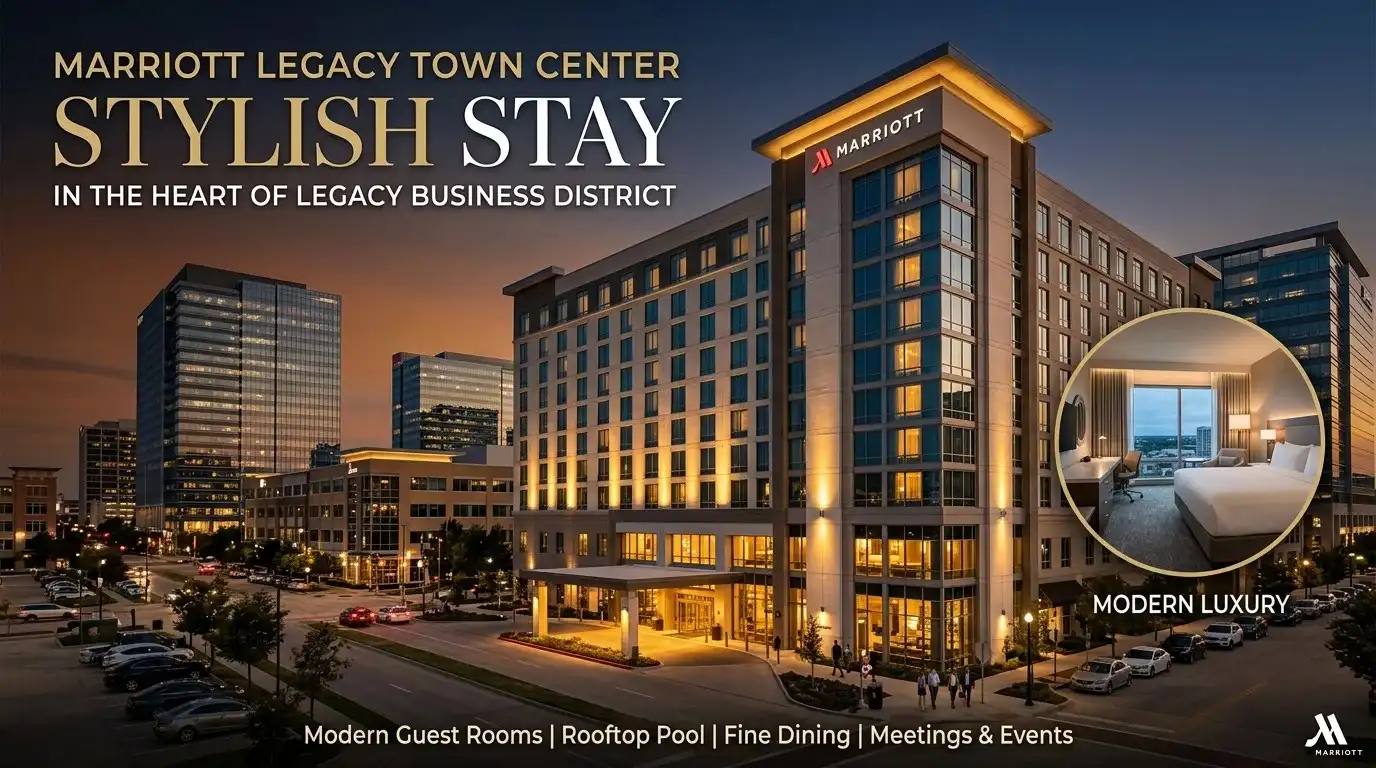
Table of Contents
Marriott Legacy Town Center stands as a beacon of sophistication and convenience, offering a stylish stay right in the vibrant heart of Plano’s renowned Legacy Business District. More than just a hotel, it’s a strategic hub for business travelers, a luxurious retreat for leisure guests, and a prime venue for events, encapsulating the dynamic spirit of North Texas. Its prime location within the Legacy Town Center allows guests unparalleled access to a thriving ecosystem of corporate offices, upscale shopping, and diverse dining experiences, all within a short stroll.
An Introduction to Upscale Hospitality
The Dallas/Plano Marriott at Legacy Town Center, often simply referred to as Marriott Legacy Town Center, is a sophisticated hotel nestled in Plano, Texas, a city consistently recognized for its quality of life and business environment. Having opened in 2000, it has since become an integral part of the Legacy development, growing alongside the surrounding mixed-use district. The hotel features upscale accommodations, offering a blend of modern design and comfort that caters to the discerning traveler. Guests frequently praise its excellent location, cleanliness, and spacious rooms, making it a highly convenient choice for both business and leisure.
The property prides itself on providing intuitive service and globally inspired dining options, all designed for upscale comfort and convenience. Its proximity to major corporate campuses and a wealth of retail and entertainment makes it an ideal base for exploring Plano and the wider North Texas region.
Legacy Town Center: An Urban Oasis
The Legacy Business District in Plano is a testament to thoughtful urban planning, evolving from agricultural land in the 1980s into a major economic center. Developed by Electronic Data Systems (EDS) and later expanding with the vision of developers like Fehmi Karahan, Legacy Town Center was conceived to bring urban amenities to a sprawling corporate park. It’s a 150-acre mixed-use development where workers and residents can live, shop, eat, relax, and run errands, all within a walkable distance. This design encourages pedestrian activity, reducing reliance on cars for daily tasks and contributing to a more sustainable urban environment.
The area boasts a unique blend of corporate headquarters—including major players like Capital One, Toyota North America, J.C. Penney, and Frito-Lay—alongside vibrant retail, residential, and entertainment spaces. The Shops at Legacy, adjacent to the Marriott, provide a diverse array of boutiques, restaurants, and services, enhancing the appeal of the district. The integration of a central park and a 4-acre lake also offers much-needed green space and a community focal point.
Accommodations of Distinction
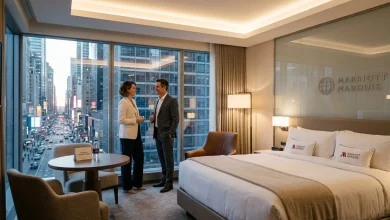
The Marriott Legacy Town Center offers 417 guest rooms, including 35 suites, all designed to provide a comfortable and contemporary experience. Guests can expect modern amenities such as 55-inch smart TVs with streaming services, high-speed Wi-Fi, premium bedding, and rainfall showers, ensuring a restful and productive stay. The rooms are spacious, with some featuring Juliet balconies, and junior suites offer expansive floor-to-ceiling windows and separate living areas.
For those seeking an elevated experience, M Club lounge access provides exclusive benefits like 24/7 access, complimentary snacks, drinks, morning breakfast, and evening bites. These details underscore the hotel’s commitment to catering to both the functional needs of business travelers and the desire for comfort and luxury among all guests. The thoughtful design ensures that each room serves as a personal sanctuary, allowing guests to unwind or remain productive as needed. For more insights into planning a seamless business trip, one might explore effective business travel strategies.
Culinary Journeys and Dining Experiences
Dining at the Marriott Legacy Town Center is an experience in itself, with a selection of on-site restaurants and a full-service Starbucks catering to various tastes and preferences.
- Copper Creek: This restaurant, located on the lobby level, offers classic American flavors for breakfast and brunch. Guests can enjoy buffet or à la carte options featuring seasonal ingredients and chef-inspired creations, providing a delightful start to the day.
- Rustic Jewel: The hotel’s signature restaurant and bar, Rustic Jewel, serves Southwestern-inspired dishes with a modern flair, providing a distinct Texas culinary experience for lunch and dinner.
- A la Carte In-Room Dining: For those preferring privacy or convenience, in-room dining services allow guests to savor delicious meals in the comfort of their own rooms.
- Starbucks®: A full-service Starbucks on-site ensures that guests can grab their favorite coffee, snacks, and breakfast pastries throughout the day.
Beyond the hotel, the Legacy Town Center and nearby Legacy West offer an exceptional density of dining options, ranging from casual eateries to upscale restaurants perfect for client dinners or special occasions. From classic steakhouses like The Capital Grille to vibrant food halls like Legacy Hall and diverse international cuisines, the choices are abundant, promising a culinary adventure for every palate.
Meetings and Events at Marriott Legacy
The Marriott Legacy Town Center is a premier destination for conferences, corporate events, and social gatherings, boasting an impressive 32,000 to 36,223 square feet of flexible meeting and event space. This extensive capacity includes 20 to 31 meeting rooms, many offering natural light, and a grand 13,858 square-foot Trinity River Ballroom with 18-foot ceilings that can be divided into four sections, accommodating up to 1,400 people.
The hotel is equipped with state-of-the-art audiovisual professionals and offers exceptional catering and event menus. Dedicated event managers work closely with planners to ensure every detail is meticulously executed, from intimate board meetings to large-scale banquets and weddings. Special features like the San Jacinto meeting room, with its floor-to-ceiling windows overlooking Bishop Park and the pond, provide a scenic backdrop for presentations and gatherings.
| Feature | Details | Source |
|---|---|---|
| Total Meeting Space | Over 32,000 to 36,223 sq. ft. | |
| Number of Meeting Rooms | 20 to 31 flexible meeting rooms | |
| Largest Ballroom (Trinity River) | 13,858 sq. ft., divides into 4 sections, 18 ft. ceilings | |
| Ballroom Capacity (Theater) | Up to 1,400 people | |
| Key Meeting Amenities | Natural light, high-speed internet, dedicated AV staff, expert catering | |
| Special Event Locations | Next to Bishop Park and Pond for outdoor events |
Wellness and Recreation for the Modern Traveler
For guests looking to maintain their wellness routines or simply relax, the Marriott Legacy Town Center offers a range of facilities. The hotel features a 24-hour fitness center, equipped for various workouts, and a heated outdoor pool and whirlpool for year-round enjoyment. These amenities provide convenient options for guests to recharge and stay active during their stay.
Beyond the hotel, the surrounding Legacy Business District is designed with walkability in mind, encouraging guests to explore on foot. Bishop Park, adjacent to the hotel, offers scenic views and opportunities for a leisurely stroll. For those interested in more extensive outdoor activities, Plano boasts numerous parks, including Arbor Hills Nature Preserve with its trails and observation deck, and Oak Point Park, offering extensive trails and even canoeing opportunities. Such access to nature provides a refreshing balance to the corporate environment. Another area for relaxation and outdoor enjoyment is the Legacy Town Center Pond, which offers a quiet and beautiful spot for a picnic lunch or people-watching. Guests seeking additional relaxation might find interest in reading about stress reduction techniques for travelers.
Exploring the Surrounding Area: Shops, Dining, and Entertainment
The Marriott Legacy Town Center’s exceptional location puts guests at the epicenter of Plano’s most dynamic districts. Just steps away, The Shops at Legacy provides an urban lifestyle center featuring unique shopping boutiques, award-winning restaurants, and lively entertainment venues. This walkable district encourages exploration, allowing guests to discover a wide array of fashion, furnishings, gifts, and culinary delights.
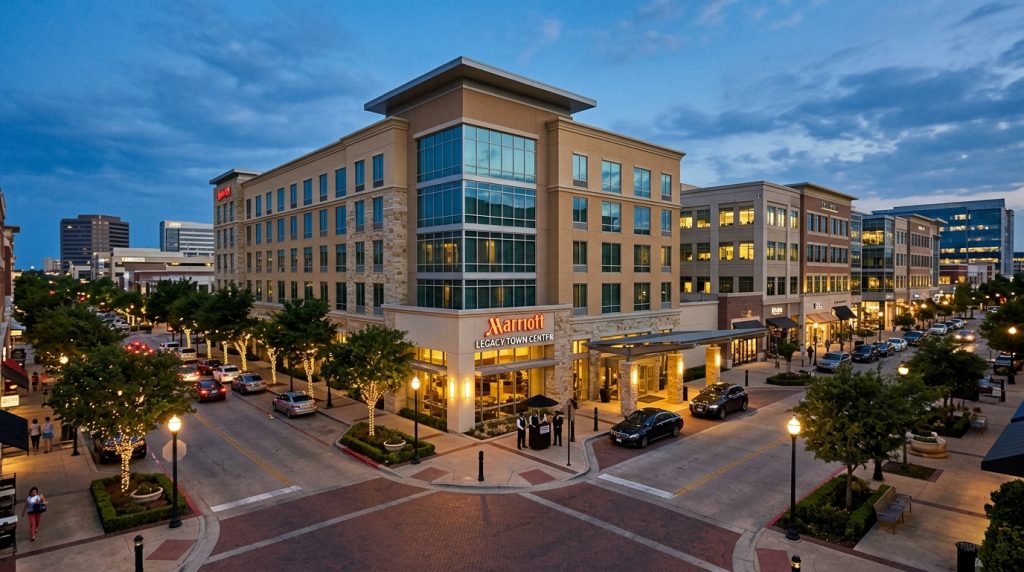
Further enhancing the local experience is Legacy West, an even more ambitious expansion just to the north, offering a 255-acre open-air urban village with luxury retailers like Louis Vuitton, Gucci, Apple, and Tesla, alongside a plethora of dining options including the renowned Legacy Hall, a three-story food hall with over 20 vendors and live music. The Boardwalk at Granite Park also adds to the rich tapestry of local attractions.
For those interested in arts and culture, historic downtown Plano features quaint eateries, art galleries, and performance venues like the Courtyard Theater. Sports enthusiasts can easily access Toyota Stadium and Riders Field, while family-friendly entertainment options like Grandscape, with its bowling, axe throwing, and cinema, are also within reach. The area truly offers something for everyone, whether it’s sophisticated nightlife, retail therapy, or outdoor adventures. The seamless blend of corporate functionality and leisure opportunities makes Legacy Town Center a unique destination, as detailed by the US Environmental Protection Agency, which highlights its mixed-use design as a model for smart growth. The EPA’s report on Legacy Town Center emphasizes its role in creating a walkable, vibrant community within an existing office park.
Sustainability and Community Commitment
In line with modern ecological concerns, the Dallas/Plano Marriott at Legacy Town Center demonstrates a commitment to sustainability, holding a Plano Green Business certification. This certification reflects the hotel’s efforts in implementing environmentally conscious practices, including in-suite recycling, the use of reusable kitchenware, and composting in the hotel kitchen. Furthermore, the hotel utilizes WiSuite programmable thermostats in unoccupied suites to conserve energy and offers sustainable seafood and grass-fed beef options in its dining establishments.
This dedication to sustainable operations not only benefits the environment but also enhances the guest experience by aligning with the values of eco-conscious travelers. The integration of such practices showcases Marriott’s broader commitment to responsible hospitality and contributing positively to the local community and the planet.
Conclusion: Your Premier Choice in Plano
The Marriott Legacy Town Center undeniably offers a stylish and strategic stay in the heart of Plano’s thriving Legacy Business District. From its well-appointed rooms and diverse dining options to its extensive meeting facilities and commitment to sustainability, the hotel provides a comprehensive and upscale experience for all guests. Its prime location allows for effortless access to the district’s corporate offices, premier shopping, and vibrant entertainment, making it an ideal choice for both business and leisure travelers. Whether visiting for a conference, a weekend getaway, or an extended stay, the Marriott Legacy Town Center promises comfort, convenience, and a truly memorable experience in one of North Texas’s most dynamic destinations.