Executive Insights
- Marriott has shifted focus from simple room inventory to a ‘Travel Lifestyle Ecosystem’ driven by the Bonvoy loyalty program.
- The ‘Luxury Group’ is prioritizing experiential luxury, including the Ritz-Carlton Yacht Collection and remote resort locations.
- The all-inclusive portfolio is moving upmarket, with the introduction of luxury brands like W Hotels and JW Marriott into the all-inclusive space.
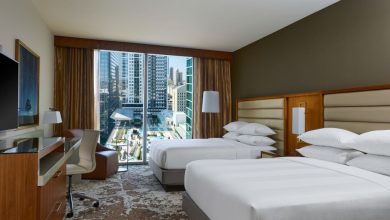
- Bleisure travel is reshaping legacy business brands; Sheraton and Courtyard are redesigning spaces to accommodate hybrid work-play stays.
- Extended stay and vacation rentals (Homes & Villas) are critical for capturing the ‘work-from-anywhere’ market segment.
- Midscale brands like City Express serve as entry points to the ecosystem, feeding users toward aspirational luxury redemptions.
In the post-pandemic hospitality landscape, Marriott International has orchestrated a decisive strategic pivot, moving beyond the traditional constraints of room inventory management to position Marriott Bonvoy as a holistic travel lifestyle ecosystem. By early 2026, this strategy has crystallized into three distinct pillars: the aggressive expansion of high-yield experiential luxury, the elevation of the all-inclusive model to premium tiers, and the reconfiguration of legacy business brands to capture the booming bleisure (business + leisure) market.
The “Luxury Group” and the Rise of Experiential Travel
Marriott’s formation of the internal “Luxury Group”—comprising brands like The Ritz-Carlton, St. Regis, W Hotels, and EDITION—signals a shift from selling “status” to selling “access.” This strategy targets high-net-worth individuals (HNWIs) and the emerging wealthy Gen Z/Millennial demographic, who prioritize emotional connection and “self-discovery” over traditional opulence.
A centerpiece of this strategy is the Ritz-Carlton Yacht Collection. With the launch of its third superyacht, Luminara, in mid-2025, Marriott successfully extended its hospitality standards to the high seas, creating a floating asset class that retains loyalists within the Bonvoy ecosystem even when they aren’t on land. Similarly, the expansion of EDITION Hotels into destinations like Lake Como and the Red Sea (Saudi Arabia) underscores a commitment to design-forward, hyper-local luxury experiences that compete directly with independent boutique hotels.
Redefining All-Inclusive: The “All-Inclusive by Marriott Bonvoy” Portfolio
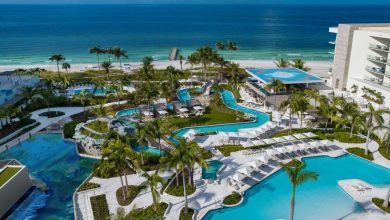
Historically dominated by mid-market operators, the all-inclusive segment has been radically upscaled by Marriott. The company identified a gap in the market for luxury all-inclusive experiences where Bonvoy members could earn and redeem points without sacrificing service quality.
| Brand | Strategic Role | Key 2025/2026 Developments |
|---|---|---|
| W Hotels | Adult-focused, high-energy luxury | Opening of W Punta Cana, the brand’s first all-inclusive, featuring “Away Spa” and music-driven programming. |
| The Luxury Collection | Authentic, destination-specific immersion | Integration of properties like Almare (Isla Mujeres) and Paraiso de la Bonita (Riviera Maya). |
| JW Marriott | Mindfulness and wellness-centric luxury | Expansion into all-inclusive formats in Costa Mujeres, targeting multi-generational wellness travelers. |
This segmentation allows Marriott to capture “share of wallet” from travelers who previously looked outside the network for resort vacations, effectively turning the all-inclusive model into a high-margin retention tool.
The Bleisure Pivot: Adapting Core Business Brands
The “work-from-anywhere” phenomenon has permanently blurred the lines between corporate travel and vacation. Marriott’s response has been to retool its “Classic Premium” and “Select” brands—specifically Sheraton, Westin, and Courtyard by Marriott—to serve the blended traveler.
- Sheraton’s Transformation: Moving away from the sterile “corporate hotel” image, Sheraton properties have been renovated to feature community studios and social hubs. These spaces are designed to function as co-working areas by day and social venues by night, appealing to travelers extending their business trips through the weekend (shoulder nights).
- Wellness as a Business Amenity: Brands like Westin have doubled down on wellness (e.g., Heavenly Beds, gear lending programs), recognizing that business travelers now view health maintenance as non-negotiable.
- Extended Stay & Vacation Rentals: The explosion of Homes & Villas by Marriott International and the growth of extended-stay brands like Residence Inn cater to digital nomads. These options provide the space of an Airbnb with the reliability and loyalty benefits of a hotel chain.
The Loyalty Ecosystem as a Competitive Moat
Ultimately, these physical asset strategies are designed to feed the Marriott Bonvoy digital flywheels. By offering entry-level midscale options (like City Express and StudioRes) alongside aspirational redemptions (like a week at a Ritz-Carlton Reserve), Marriott creates a lifecycle ecosystem. A young consultant stays at a Courtyard for work, earns points, and redeems them for a luxury all-inclusive honeymoon, locking in lifetime value (LTV).
The integration of data analytics allows for hyper-personalization, where a guest’s preference for a quiet room or specific pillow type follows them from a business stay in Chicago to a leisure retreat in the Maldives. This “stickiness” is Marriott’s primary defense against OTAs (Online Travel Agencies) and competing loyalty programs.
In-Depth Q&A
Q: How has the Ritz-Carlton brand expanded beyond traditional hotels?
The Ritz-Carlton has aggressively expanded into the cruise sector with the ‘Ritz-Carlton Yacht Collection.’ This includes superyachts like the Evrima, Ilma, and the Luminara (launched mid-2025), offering a boutique yachting experience that integrates fully with the Marriott Bonvoy loyalty program.
Q: What is the ‘All-Inclusive by Marriott Bonvoy’ strategy?
Marriott is redefining the all-inclusive market by introducing its luxury brands into the space. Instead of standard mid-tier resorts, they have launched all-inclusive properties under brands like W Hotels (e.g., W Punta Cana), The Luxury Collection, and JW Marriott, offering premium food, beverage, and wellness amenities redeemable with points.
Q: How are Sheraton and Courtyard adapting to bleisure travel?
Sheraton has redesigned its lobbies into community ‘studios’ that serve as co-working spaces, while Courtyard has updated its interiors to be more leisure-friendly. Both brands now target ‘blended travelers’ who extend business trips for leisure, focusing on flexible amenities that suit both work and relaxation.
Q: What role does the ‘Luxury Group’ play in Marriott’s growth?
The Luxury Group (St. Regis, Ritz-Carlton, W, EDITION, etc.) focuses on high-yield experiential travel. It targets wealthy Millennials and Gen Z travelers seeking emotional connections and ‘self-discovery’ rather than just opulent rooms, driving higher Average Daily Rates (ADR) and brand prestige.
Q: Does Marriott offer vacation rentals?
Yes, through ‘Homes & Villas by Marriott International,’ the company offers premium vacation home rentals. This competes with platforms like Airbnb but offers the distinct advantage of earning and redeeming Marriott Bonvoy points and ensuring professional property management standards.